Hello everyone! Wow, it sure is hard to keep on top of blog posts during the field season! However, I’m laid up at home with a rock climbing injury at the moment so it seems like the perfect time to get post out about a very unique project was had the pleasure of completing this July, in Battle Harbour, Labrador!
We were contacted in 2023 by Peter Bull, Director of the Battle Harbour Historic Trust, about potentially coming out to work on the two cemeteries on the island. We chatted, provided him with a proposal, and didn’t heard back for a while. It’s so hard to gather funding for these types of projects, especially one that involved 5-6 days of travel to get there and back with our gear, so we weren’t sure it was ever going to happen until I woke up to an email on St. Patrick’s Day saying that the funds had been secured, and when could we come up! So the adventure began!
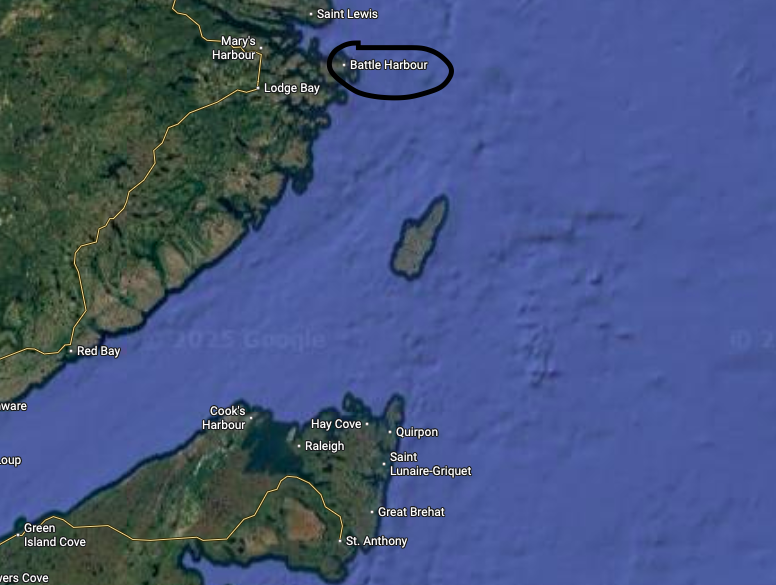
Battle Harbour is such a cool spot. It’s an island off the eastern most point of mainland Labrador. To get there, we spent the first day of the trip driving across the island of Newfoundland to Rocky Harbour. The second day, we drove 3 hrs up the Great Northern Peninsula to catch the ferry to the Quebec North Shore, which was a pretty rough crossing, but not too long! Then we had another 2 hr drive to the little dock where the ferry to Battle Harbour leaves from. Ferry in the sense that it is a boat carrying people, not one that you could bring a car onto! We unloaded our gear onto the boat and motored off to the island!
For the duration of the project, we were staying in Peter’s cabin, which turned out to be a repurposed fishing stage. It was so cute, and had also been an artist’s studio at one point. It didn’t have really have a kitchen, but there was a kitchen sink, kettle, and keurig, so between a place to sleep and have a little toasty wood stove fire, shower, and the staff kitchen for our lunches, we were pretty set!

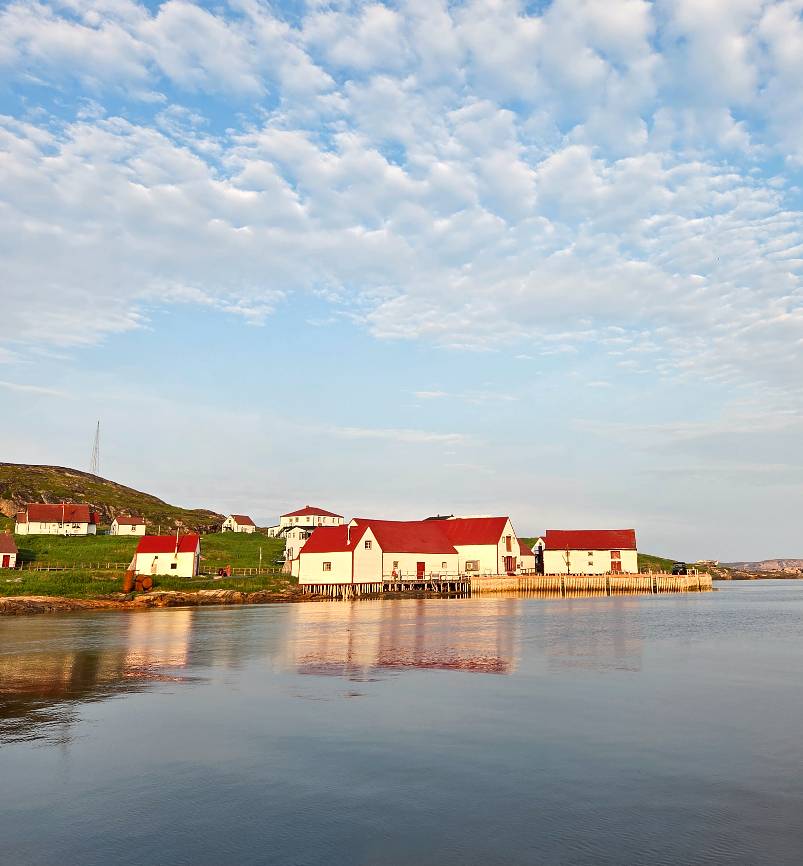
Battle Harbour has been visited and used by Indigenous peoples in Labrador for a long time before Europeans arrived in the late 18th century. There haven’t been many formal archaeological investigations looking into the Indigenous presence on the island, but that is something we’d love to do in the future! I know we’ve already gotten a few comments from folks who know more on the topic! The mercantile premises was established around the 1770s by John Slade who arrived from Poole, England, and later became a location of a Grenfell Mission, and is known as the unofficial capital of Labrador for its role in the fishing and sealing industries along the Labrador shore. Some of those original 18th century store buildings are still present, and the Trust has done an amazing job restoring the community and providing training and jobs to locals in the area, including folks who grew up in Battle Harbour before it was shut down.
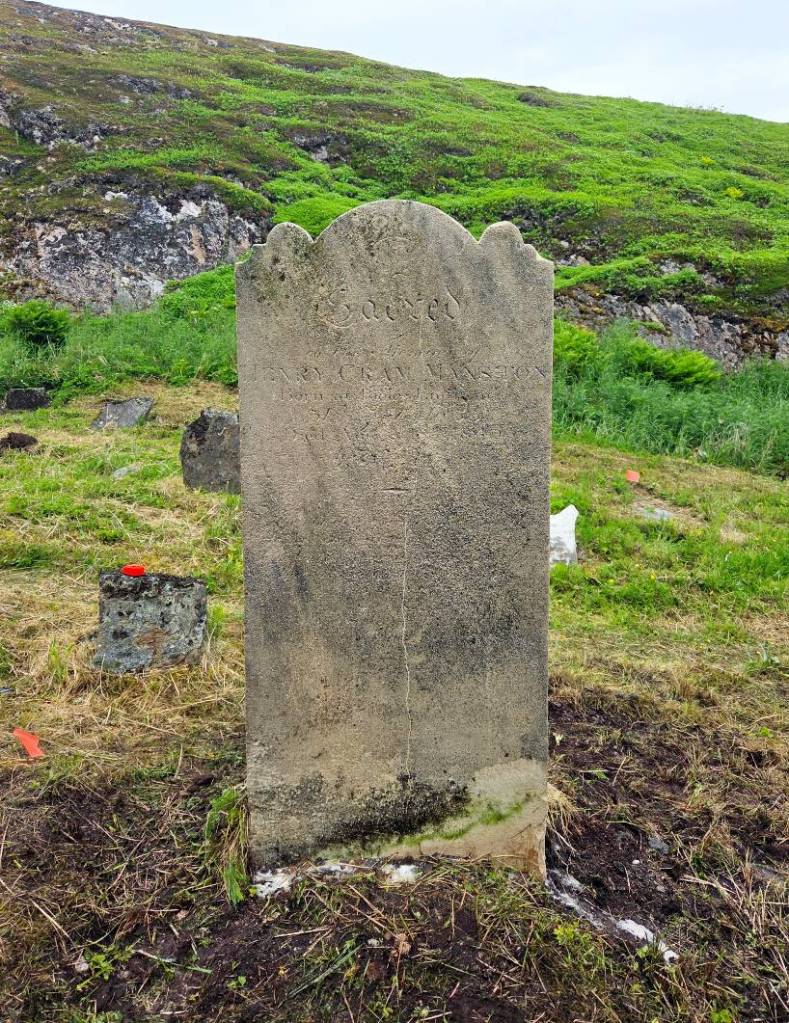
We were there for the graveyards though! Battle Harbour was a primarily Anglican settlement, and is home to two cemeteries, the Old and New St. James Anglican Cemeteries. One, the Old Cemetery, is located a short walk from the historic church building, down into an almost impossibly lush gully where a pair of Arctic Foxes live among the mossy boulders. Extremely picturesque, especially with the massive grounded iceberg we had views of the week we were there! This cemetery was established potentially as early as the later 1700s, when settlers started to become inhabitants of the island. The earliest gravestone we recorded in the cemetery was that of Henry Cram Manston, (a fantastic name), who died in 1840, and had the largest monument at the site, made from imported limestone!
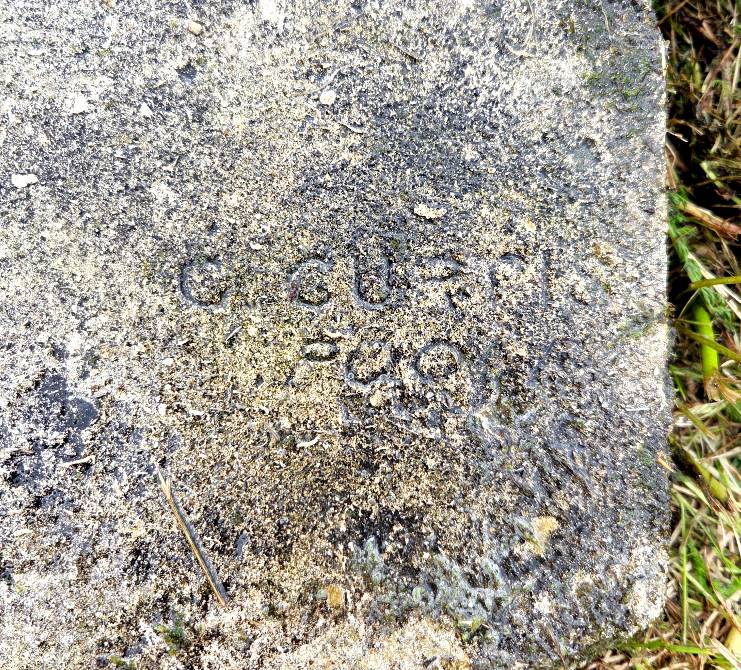
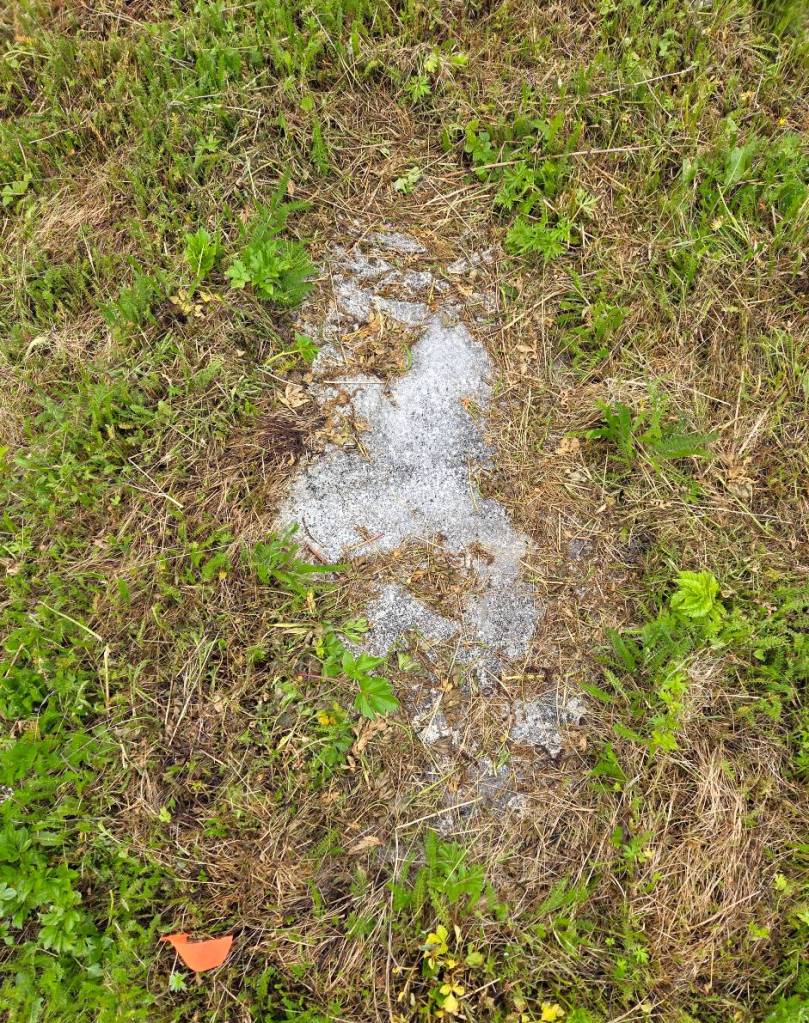
We also got to reset the gravestone of Aquila John Hedderson. Made from imported limestone, it had no iconography on the stone, and a portion of the top had cracked off, either from general weathering or pressure from a lawnmower while it was laying down (or both). This stone, while looking very simple, was extremely exciting! In the section that would be below ground when standing upright, we found the inscription ‘C. Curtis / Poole‘, the name of the carver and their location in England! It is extremely rare to find carver names on imported gravestones, so this is a very exciting discovery! You can just see the name below, and we made sure to document it in the report for Battle Harbour.


There were so many amazing gravestone at this site, it’s hard to pick only a few to highlight in this post! Here is one more from the Old Cemetery, the stone of Thomas Blan[ford] or Blan[dford], below. The inscription is mostly illegible in its current condition, although maybe some photogrammetry in the future could help find his death date! When we got to the stone, it was nearly completely buried and we had no idea what iconography was down there. As we raised the stone for cleaning, the gorgeous imagery was revealed: bells or flowers on the border, laurels, drapery, and a central motif of a large coffin with an urn on top, and what appears to be sheaths of wheat on either side of the coffin. Stunning! Wheat can symbolise several things, including a long or fruitful life, or the seasons of life. While we cannot see the death date, it could be the stone of a few individuals; Thomas Blandford, Died 27 Feb 1833 as listed on the Rumbolt Family archival records, or Thomas Blandford listed as a servant in 1795, according to records on the Newfoundland Grand Banks website. It is possible these are the same person!

Once we were finished at the Old Cemetery, it was on to the New Cemetery! This site was used from the early 1900s onwards, and was located over the hill to the northeast of the Old site. Unfortunately, ‘over the hill’ is meant literally here, and we spend an afternoon hauling our gear up the steep trail, hands on the rope to keep from falling, and over the hill to the site, just like they did with coffins not that long ago! In fact, the last burial at the cemetery was only a few years before.
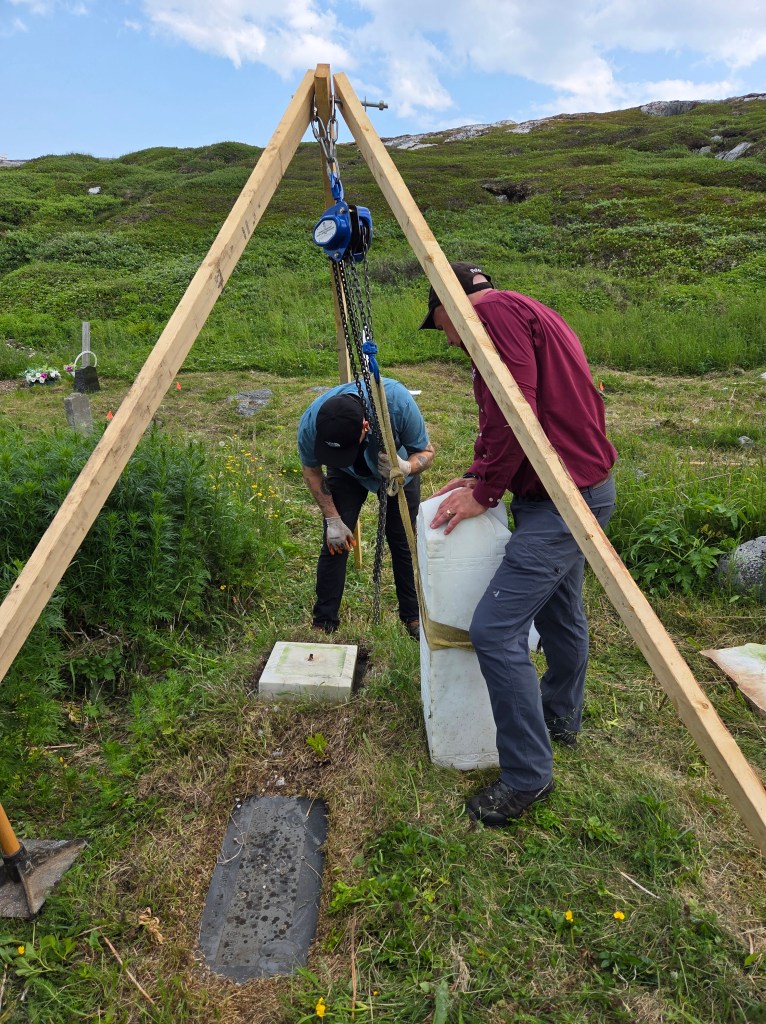
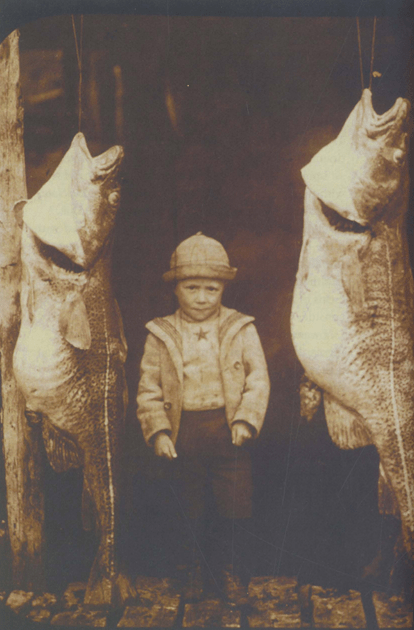
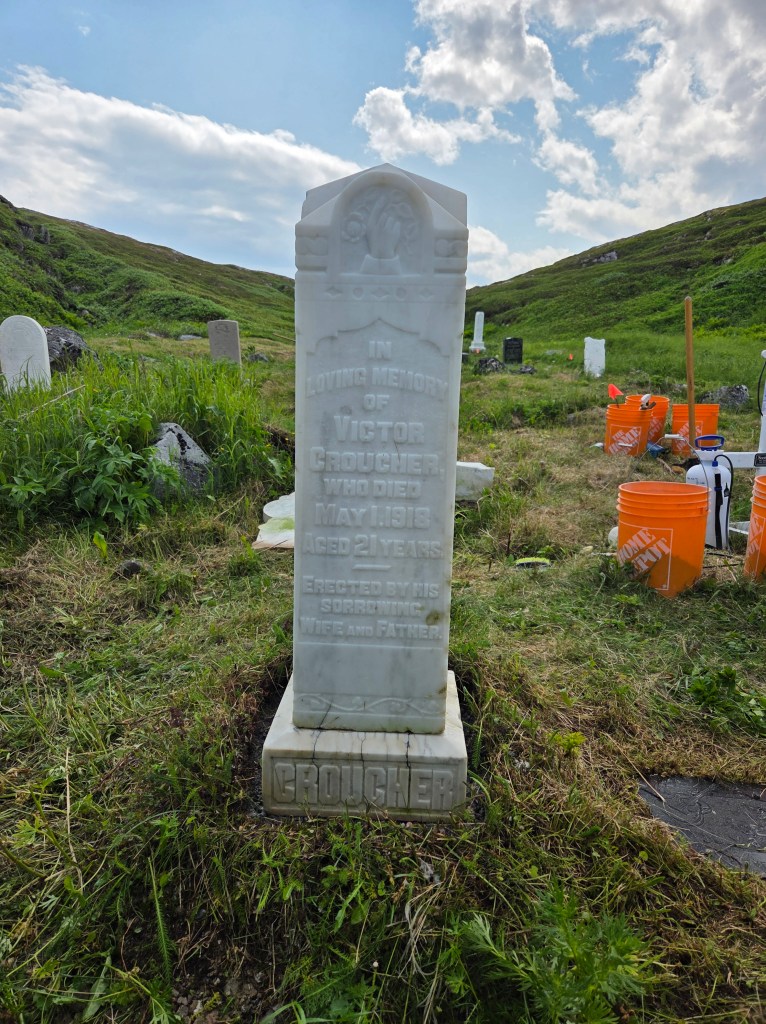
The most notable grave at this cemetery is Victor Croucher, well known for being imortalized in Newfoundland history at the age of three when he was photographed between two king cod hanging at the pork storehouse n 1901, by photographer Robert Holloway (father of Elsie Holloway). Our first task at this site was to reset Victor’s gravestone, which had fallen from its base years before. Below is a photo of Peter Bull helping Ian reset the stone with our tripod, and one of the versions of the famous photo, from THIS (click here, pg 18) article in the Newfoundland Quarterly, and finally Victor’s stone reset and cleaned! Victor was well loved in his community, and tragically died during a bird hunting accident when he was only 21 years old. The bottom of his epitaph reads: “Erected by his sorrowing Wife and Father’. It was an honour to restore his gravestone.
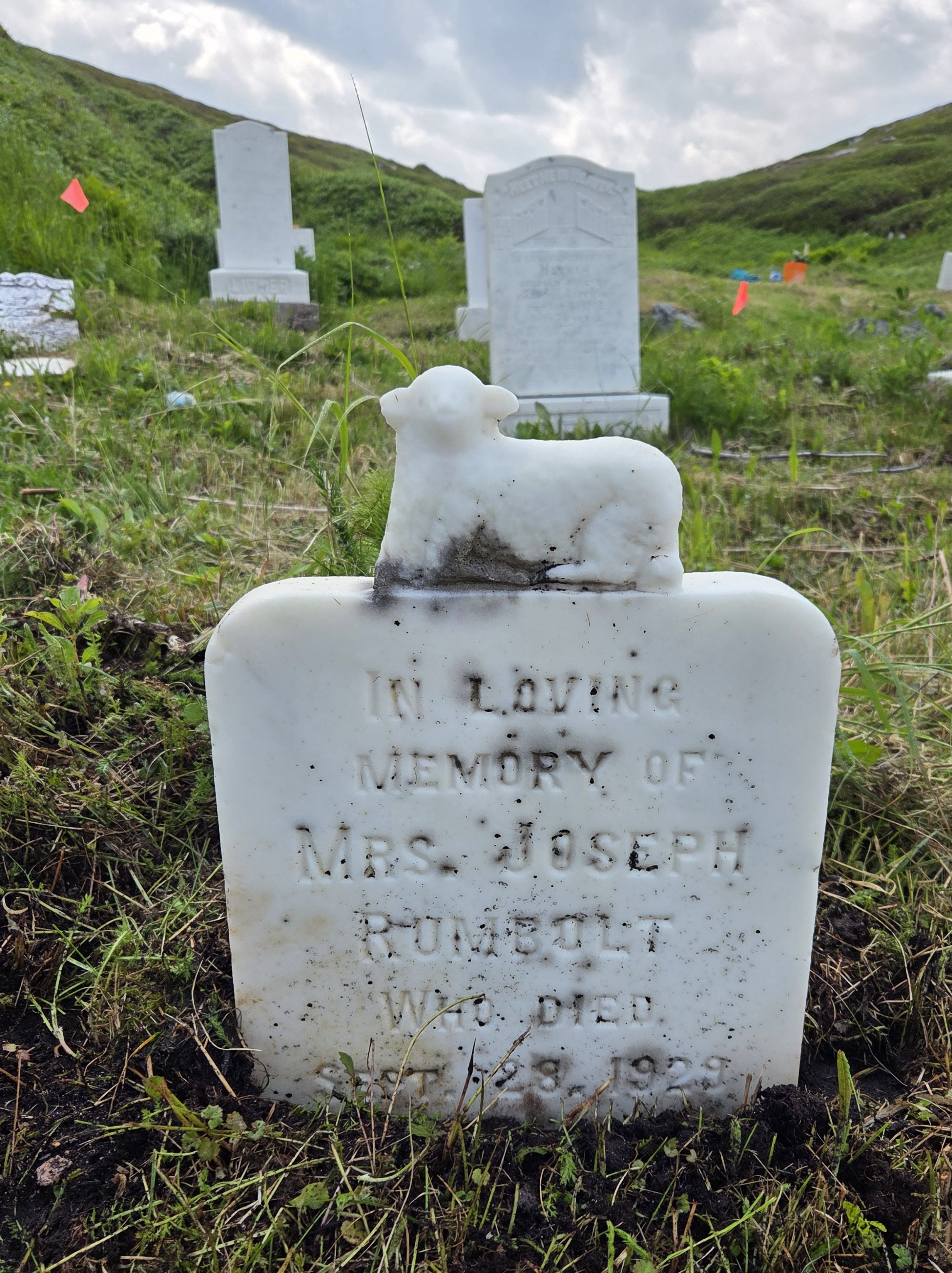
Another notable stone we wanted to highlight is that of ‘Mrs. Joseph Rumbolt’, who died in 1929 at the age of 19 years, 8 months. This stone is particularly heartbreaking. It is decorated with a carving of a lamb on the top of the stone, in line with two other similar gravestones with lambs on top, one to another 19 year old, and an 11 year old. Lambs are typically used for the graves of children, denoting a ‘lamb of God’. They are also found on adults graves, but it is less common. This gravestone, however, does not have the name of the woman on it, but only refers to her as ‘Mrs. Joseph Rumbolt’, her husband’s name. Not only that, but her age lists the months as well, something which is typically reserved for children. I’ve been trying to locate her first name and maiden last name, but so far I haven’t been able to find her. If anyone knows Mrs. Rumbolt’s first name, I’d love to be able to update this post with that information!
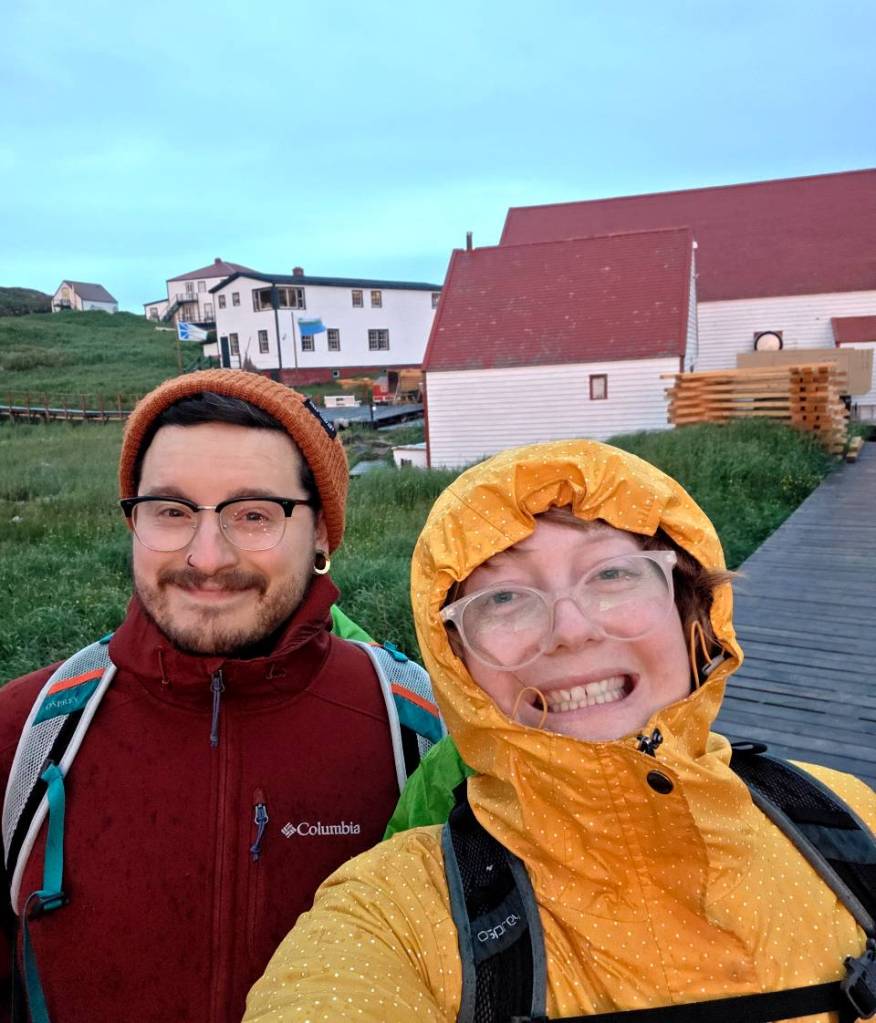
This has been only a small snippet of the amazing gravestones we had the chance to work on in Battle Harbour. Overall, we worked on 52 gravestones between the two cemeteries, and had the pleasure of meeting so many wonderful people on the island, from the locals to the guests! Special thank you to Peter for single-handedly hauling several fish pans of gravel over a literal cliff! We were lulled to sleep every night by the sounds of the ocean lapping at the rocks and stays below the stage (and exhaustion), and enjoyed so many fantastic meals cooked by the amazing kitchen staff, with fresh Labrador/Arctic Char and Moose caught locally! Also a huge thank you to Nelson for letting us mooch off his wifi while we were there, and for giving us a wonderful tour on our last afternoon on the island. Our evenings were spend hanging out with Peter (who happily tells guests he is the only bar tender in the region) and the guests, listening to local music while organising our field notes and photos from the day, and enjoying a drink or two by the fire. Even though we were there at the end of a strange heatwave, once it broke we had 6.C days so the fireplaces everywhere were very welcome! And we only got rained out one day, which was amazing!
Thank you to everyone involved in making this fieldwork happen. We are honoured to have been invited up for the project, and will never forget this experience!


 Black Cat Cemetery Preservation
1 thought on “Fieldwork Trip: Battle Harbour, Labrador”